
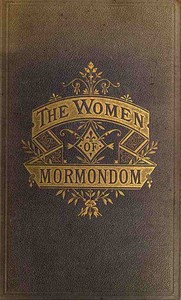
The Women of Mormondom by Edward W. Tullidge
Edward Tullidge's The Women of Mormondom isn't a novel with a single plot. Instead, think of it as a massive group memoir. Published in 1877, it brings together the personal writings, speeches, and testimonies of many Latter-day Saint women who helped found and build their religious community.
The Story
The book follows the collective journey of these women from the 1830s onward. It starts with the early days of the church in New York and Ohio, moves through the violent expulsions from Missouri and Illinois (including the trauma of their prophet Joseph Smith's murder), and then details the epic exodus to the West. The heart of the story is the handcart treks and the settlement of Utah. But this isn't just a travel log. It's about what was lost and what was built. You read about leaving homes behind, burying children on the trail, facing hunger and fear, and then the backbreaking work of creating towns from nothing in a harsh new land. The "plot" is their shared life, defined by faith, persecution, and sheer grit.
Why You Should Read It
I was blown away by the sheer force of personality in these accounts. History often flattens pioneer women into a single, stoic image. This book shatters that. You get fiery defenders of their faith, poets mourning their lost homes, practical leaders organizing relief efforts, and women openly questioning their struggles. Their voices are direct, emotional, and surprisingly modern in their demand to be heard. Tullidge lets them speak for themselves, and that's the book's power. You're not getting a historian's analysis from 150 years later; you're getting the raw, immediate feelings of the people who lived it. It makes the history feel real, messy, and human.
Final Verdict
This is a must-read for anyone interested in the real, unvarnished story of the American West, religious history, or women's studies. It's perfect for history buffs who want primary sources, for readers who love biographies and personal narratives, and for anyone who enjoys stories of incredible community resilience. A heads-up: it's a 19th-century book, so the language can be formal at times, but the emotions and experiences cut right through. It's a challenging, fascinating, and ultimately uplifting look at a group of women who helped shape a part of America, told in their own words.
This publication is available for unrestricted use. You can copy, modify, and distribute it freely.






Logan Perez
3 months agoNot bad at all.