
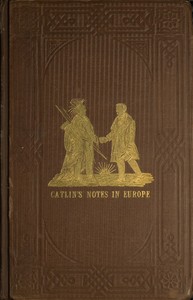
Adventures of the Ojibbeway and Ioway Indians in England, France, and Belgium;…
In the 1840s, artist George Catlin had a bold, and by today's standards, deeply problematic idea. After painting portraits of Native American tribes across the Plains, he wanted to show Europe what he called the 'vanishing race.' So, he brought a group of Ojibwe and Iowa people—men, women, and children—across the Atlantic.
The Story
This book is Catlin's journal of their two-year tour through England, France, and Belgium. It's a day-by-day account of a surreal adventure. The group sets up camp in fancy venues, performing war dances and songs for paying audiences. They meet kings and queens who treat them with a mix of fascination and condescension. We see their daily lives: the homesickness, the illnesses that plagued them in a foreign climate, and their reactions to everything from London's fog to Parisian fashion. The 'plot' is their survival in this bizarre fishbowl. The central drama isn't a single event, but the constant pressure of being on display, caught between Catlin's mission and their own identities.
Why You Should Read It
You should read this not for a polished history lesson, but for the messy, uncomfortable reality it captures. Catlin's writing is its own kind of exhibit. He clearly admires the people he traveled with, but he's also the showman profiting from them. Reading between the lines is the best part. You feel the profound dislocation of the Native delegates. In one moment, they're presented to royalty; in the next, they're grieving a child lost to European disease. It forces you to think about cultural ownership and the ethics of spectacle. This isn't a dry document; it's a human story full of contradiction, making it far more gripping than any textbook.
Final Verdict
This book is perfect for readers who love primary sources that don't sugarcoat history. If you're interested in the complex, often ugly, meetings between different worlds, this is a must-read. It's also great for anyone who enjoys travelogues with a dark edge. Be prepared: Catlin's perspective is a product of his time, and you won't agree with him. But that's the point. It's a challenging, conversation-starting look at a chapter of history we're still trying to understand.
This digital edition is based on a public domain text. Knowledge should be free and accessible.
Nancy Anderson
1 year agoAs someone who reads a lot, it creates a vivid world that you simply do not want to leave. A true masterpiece.
Sandra Miller
10 months agoI was skeptical at first, but the depth of research presented here is truly commendable. I learned so much from this.




David Jackson
2 months agoComprehensive and well-researched.